
Looking Ahead: Training Plans, Race Results, and Big Goals for 2026
After a steady build through the second half of this year and some confidence-boosting race results, I’m heading into 2026 with more momentum than I’ve had in a long time. Between sharpening my speed, aiming for new PBs, and preparing for a full marathon later in the year, it’s shaping up to be a big year.
The foundation feels right: consistent training, no injury issues, and clear goals. Now it’s about putting the pieces together and seeing how far I can go.
Recent Races: Cambridge Half & Round the Bridges
Cambridge Half — A Goal Executed Perfectly
I set out with a simple plan: run 4:45/km from start to finish.
And for once, the day cooperated.
I crossed the line in 1:39:50, right on target. This was also my first race in carbon plates (New Balance SC Elite v4), and they worked brilliantly — smooth, stable, and noticeably efficient without feeling extreme.
It gave me a lot of confidence not just in my fitness, but in the direction my training is heading.
“Crossing the finish line and seeing 1:39 felt like a quiet confirmation that the work I’ve put in is paying off.”

Round the Bridges — Five Minutes Faster Than Last Year
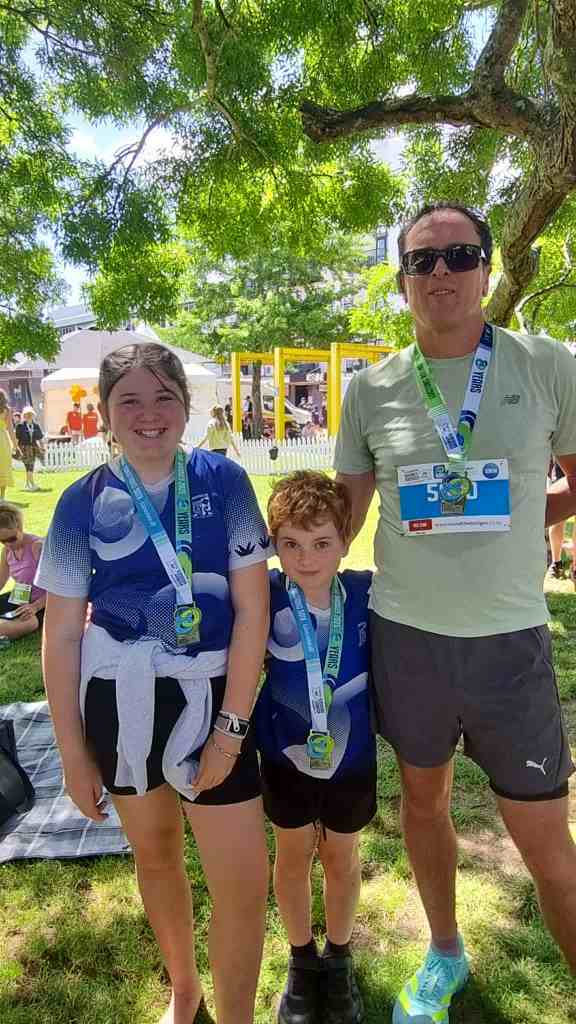
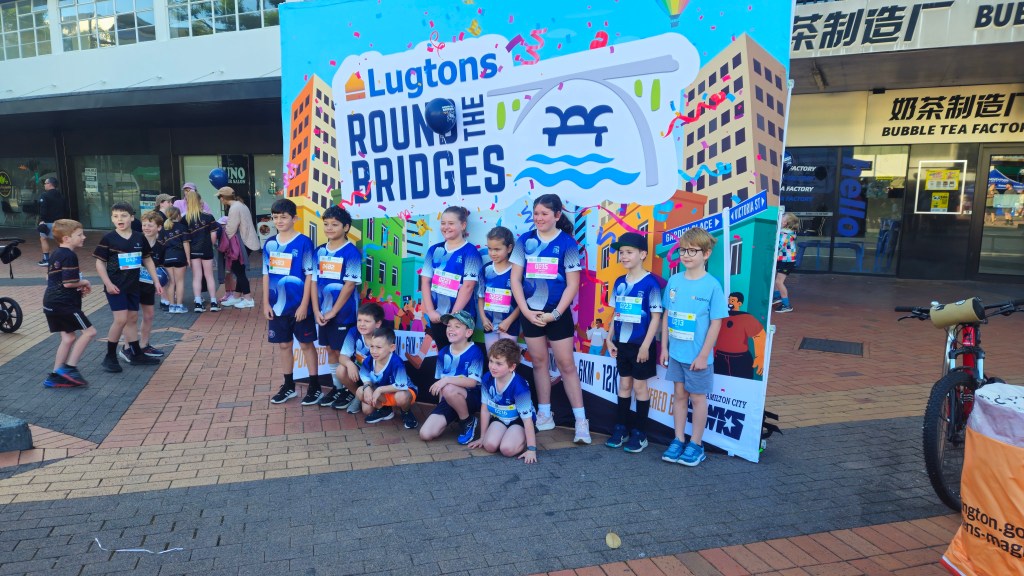
Round the Bridges was another big checkpoint. Training had gone well, I felt great on the start line, and I managed to run five minutes faster than my time last year.
That’s a big step forward, and a sign that both speed and endurance are trending the right way.
“Standing on the start line this year felt different — calmer, more confident. I actually trusted the training.”
“Those two races highlighted exactly what I needed to focus on, which shaped how my training looks right now.”
Training Structure: What My Weeks Look Like Now
My routine has settled into something that feels balanced and sustainable. A typical week at the moment includes:
- 6 runs per week, usually totalling 50-65 km, depending on the block
- One interval or threshold session, such as:
- 6 × 1 km at threshold
- 400 m/800 m repeats for sharpening
- One long run, currently 14–18 km and building steadily
- Zone 2 aerobic runs to strengthen the engine, normally around 10km
- Strength training twice a week, focusing on core, glutes, and single-leg stability — usually 20–30 minutes of squats, rows, overhead press, bench press, deadlifts and lunges
- Mobility work twice a week, including floor exercises and single-leg squats — this routine completely solved my IT band issue
This mix keeps me improving without tipping over into burnout. The combination of structure, recovery, and consistency has made the biggest difference — more so than any single workout.
Travel & Running: Australia and a Change of Scenery
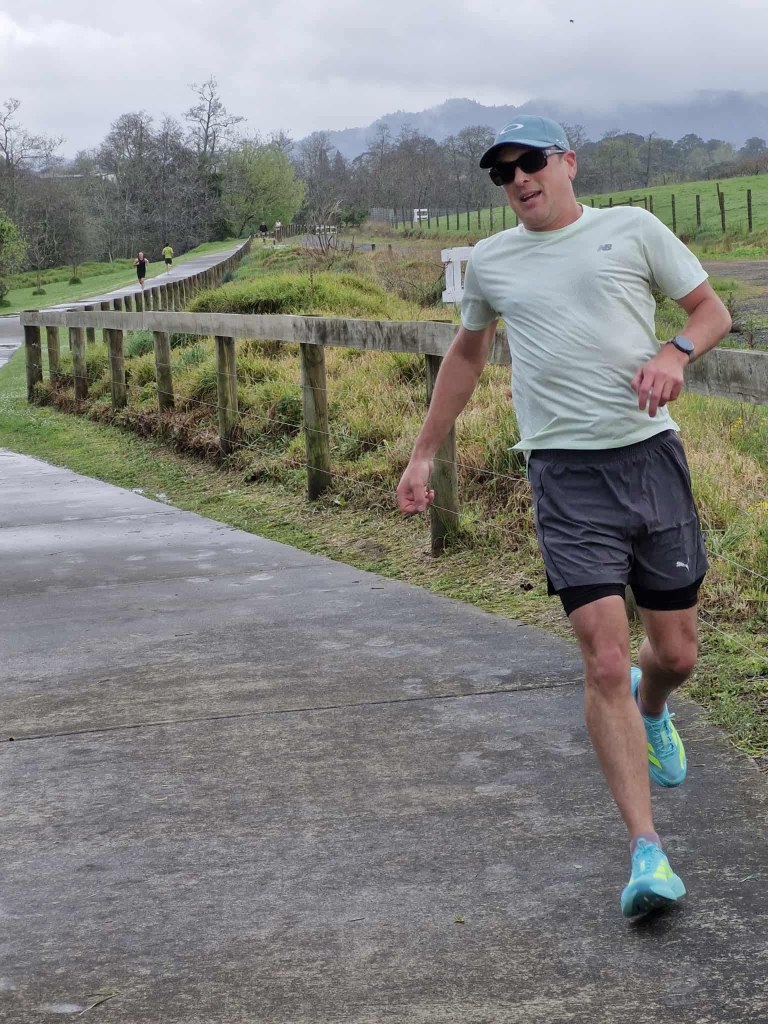
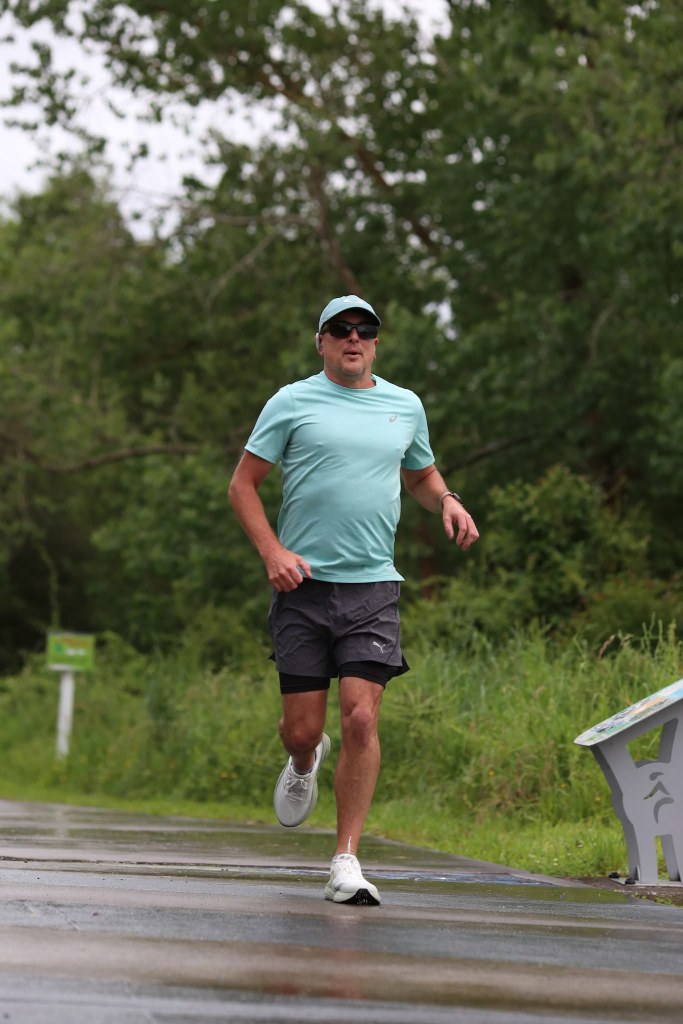
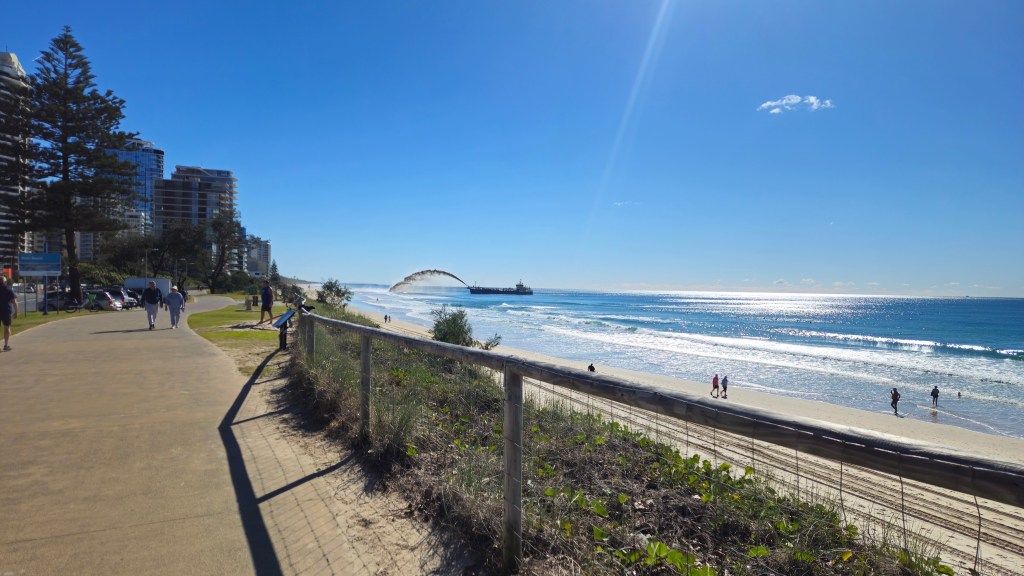
A recent trip to Australia gave me the chance to train in completely different conditions. Most of my runs were along the boulevard in Surfers Paradise — flat paths, warm mornings, and long stretches where you can just lock in and go.
Travel can sometimes disrupt training, but this trip did the opposite. It was refreshing to break out of my usual routes, and I found the change of scenery genuinely motivating.
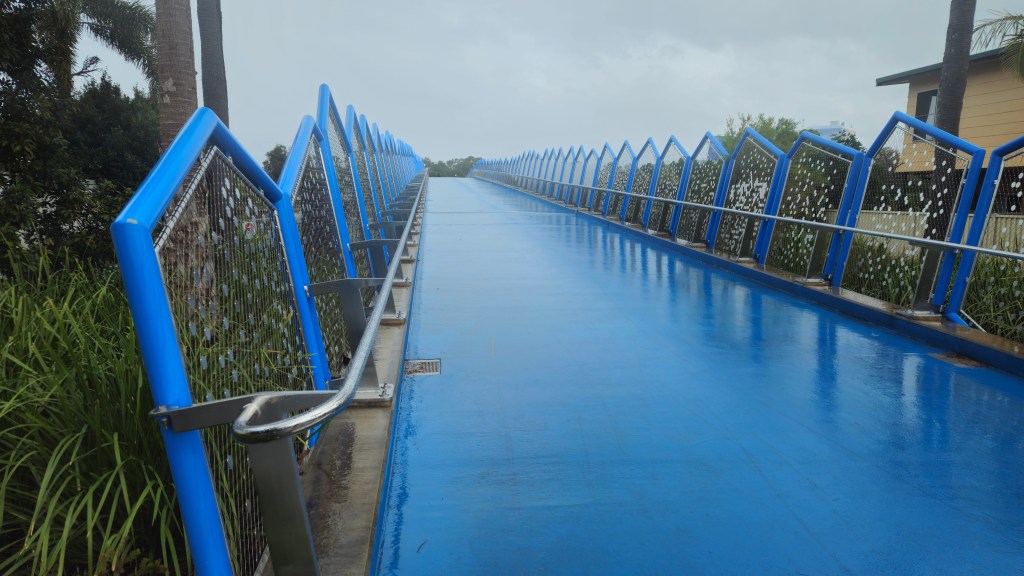
I’ll include some of the beach and sightseeing photos — not running-specific, but definitely part of the journey.
How do you handle training while travelling? Do you run more, run less, or treat it as a break?
“With travel behind me and my routine settled again, I’ve been able to map out some ambitious but realistic goals for 2026.”







2026 Goals: Ambitious but Realistic
Hamilton Half Marathon in March — Benchmark Race
Last year I ran 1:45 at the Hamilton Half.
This March I’m returning with a very different goal: to assess where my fitness is early in the year and set a clear baseline for the marathon build.
A strong run here will be a great confidence boost.
Chasing 1:30 for the Half Marathon
My next major target is to bring my half marathon time toward 1:30. Maybe it’s ambitious, maybe not — but it’s something I’m excited to chase.
Cambridge showed I can run sub-1:40 with good pacing. Closing the gap to 1:30 will take more volume, more strength, and continued consistency, but it feels within reach.
Breaking 20 Minutes for 5K
This one has been on my mind for a while: sub-20 for 5K.
It will require sharper speed, stronger threshold sessions, and more biomechanics efficiency, but the progress I’ve seen in the last few months makes me feel closer than ever.
If you’ve broken 20 minutes, I’d love to hear what workouts helped you get there.
End-of-Year Marathon
The big goal: a marathon late in 2026.
It will be my first, and I want to do it properly — not just finish, but prepare well, stay healthy, and enjoy the journey. The plan is to build mileage gradually through summer and start a structured marathon block once the base is solid.
What’s Been Working for Me
- Keeping easy runs truly easy — it makes the hard sessions count.
- Doing mobility even when I don’t feel like it — it’s the reason my IT band hasn’t flared up again.
- Setting realistic weekly mileage and building gradually.
- Picking one or two key races per block helps keep training focused.
Final Thoughts
With recent race improvements, consistent training, and renewed motivation, 2026 is lining up to be a huge year for progress. I’m excited to see how far I can push both speed and endurance — and finally take on the marathon distance.
If you’ve trained for a marathon, chased a sub-20 5K, or set a big goal for a new year, I’d love to hear your experiences.
What worked for you?
What surprised you?
What would you do differently?
Looking ahead — and onwards.













 Whatnz.com